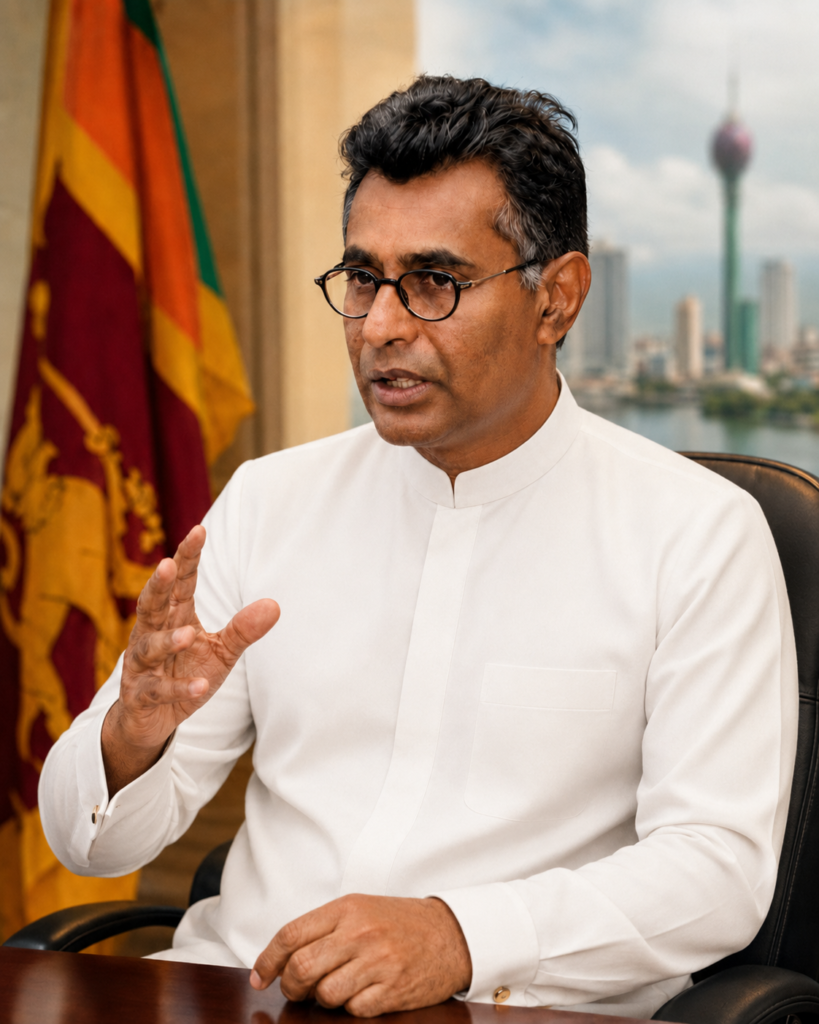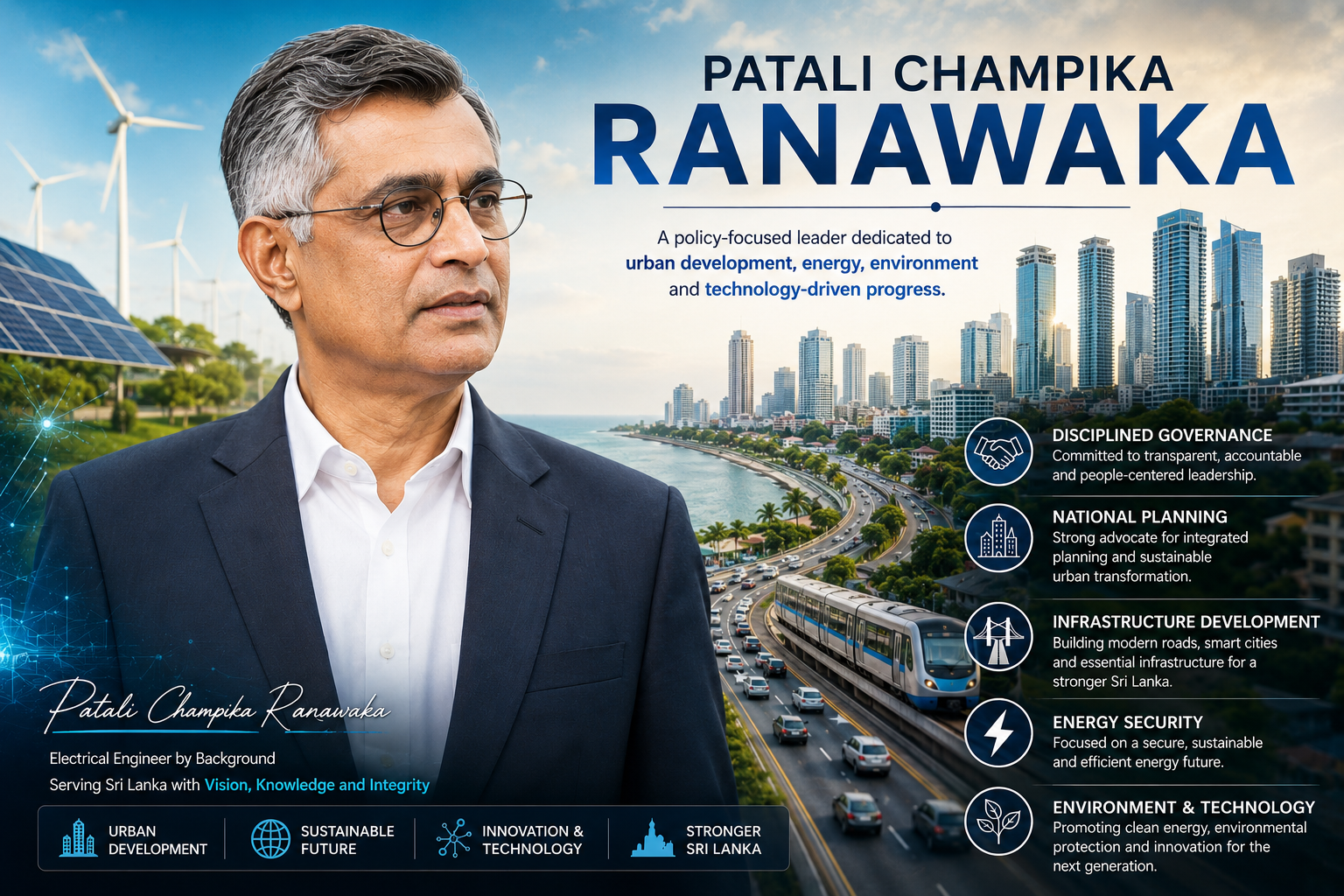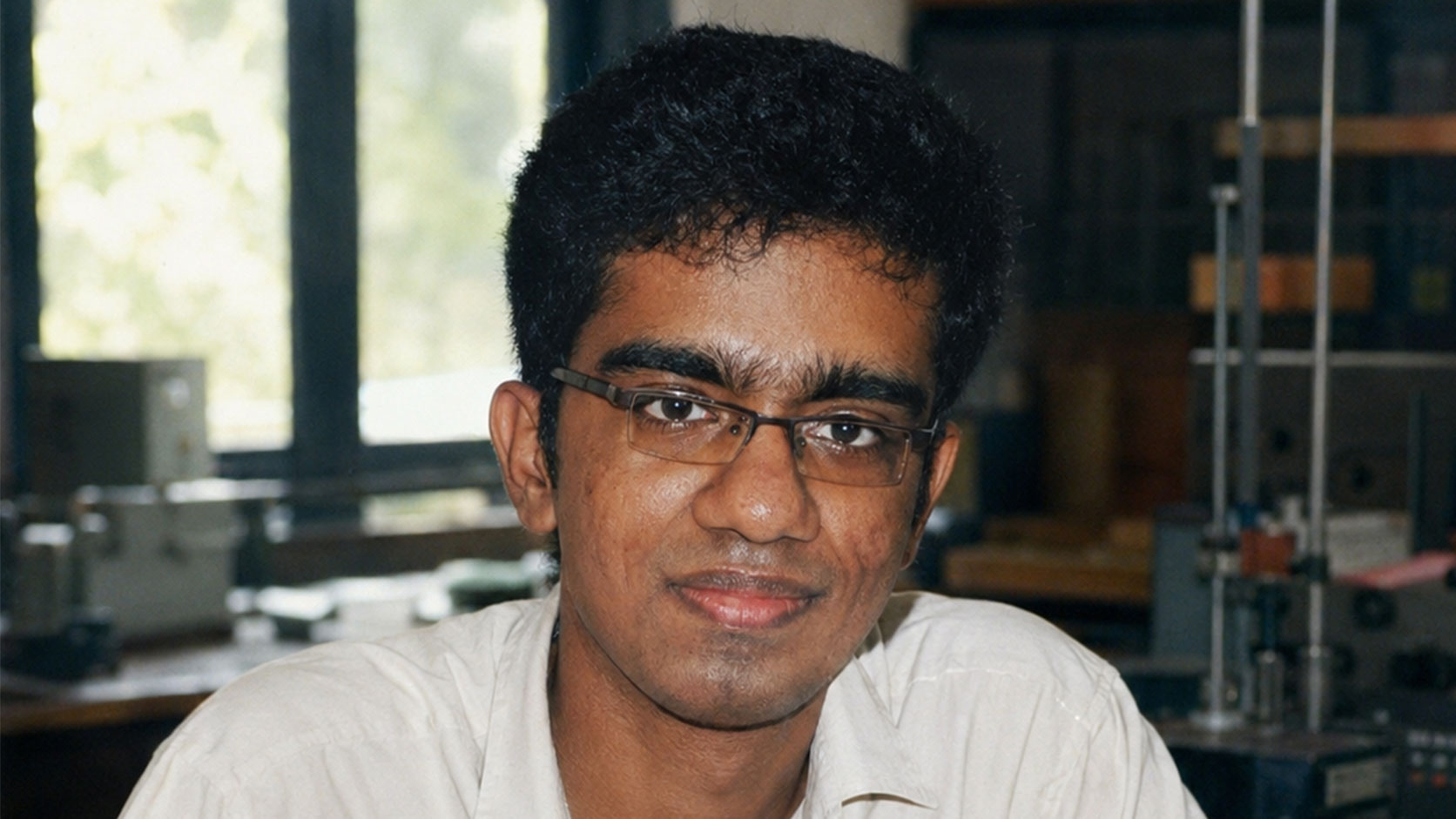

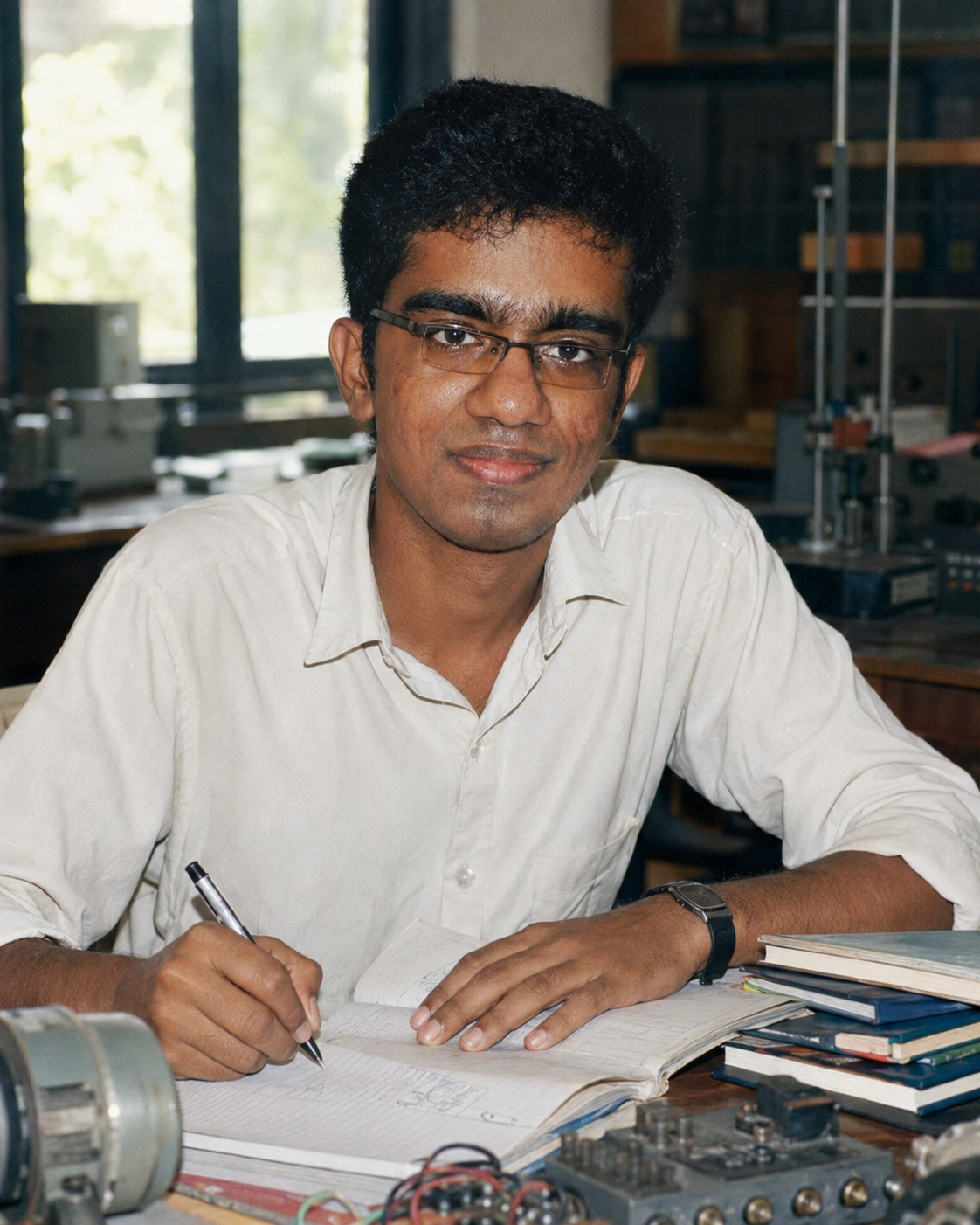
Colombo: Patali Champika Ranawaka’s public life is often described through the language of policy, planning, engineering and national development. Before becoming one of Sri Lanka’s most policy-oriented political figures, his journey began with education, discipline and a strong academic foundation that later shaped his approach to politics.
Born on 4 August 1965, Ranawaka came from a background outside Colombo’s traditional political circles. His early life was shaped by the importance of education, hard work and upward mobility. This background became an important part of his public image: a leader who entered national politics not through family inheritance, but through learning, technical knowledge and public engagement.
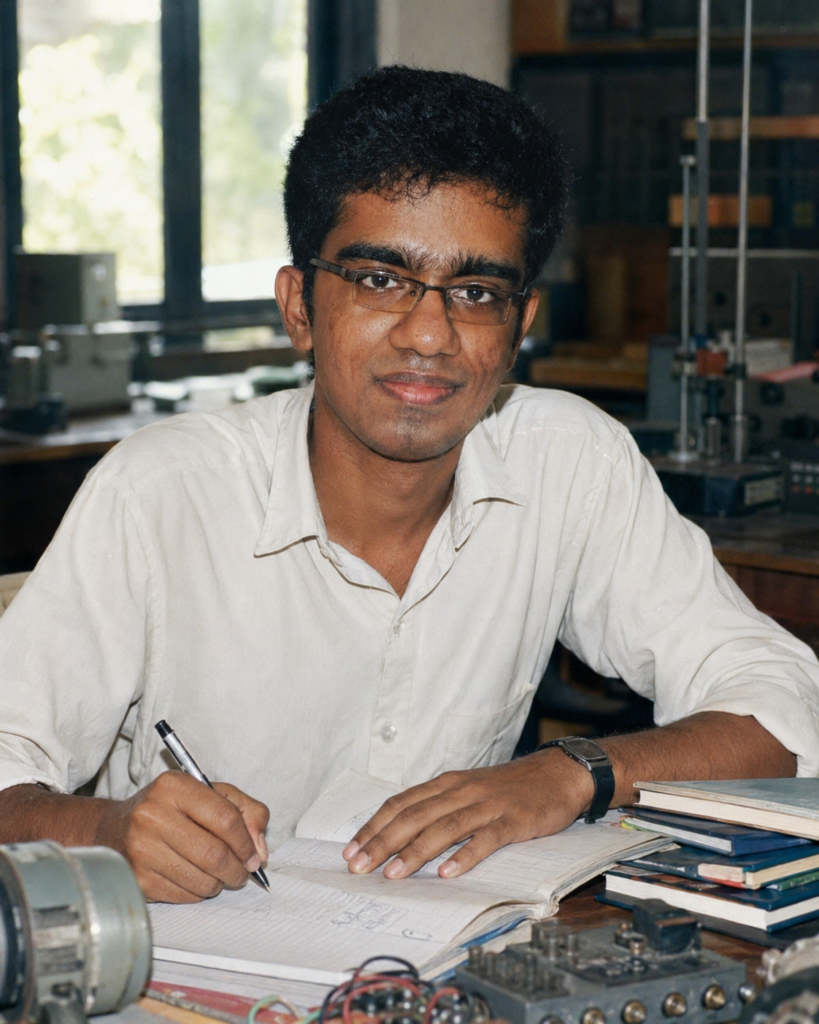
His school education played a decisive role in his future. Ranawaka studied at Taxila Central College, Horana, where he built the academic base that later opened the path to engineering. His early academic success is often presented as the beginning of a leadership journey based on knowledge, discipline and competitiveness.
Ranawaka later entered the University of Moratuwa, one of Sri Lanka’s leading engineering institutions. The Parliament of Sri Lanka lists his educational qualification as B.Sc. Engineering in Electrical Engineering, and his professional qualification as Chartered Engineer. This technical background became one of the strongest features of his political identity.
Unlike many politicians who enter public life through law, business or party networks, Ranawaka’s background gave him a different style. His political language has often focused on systems, infrastructure, electricity, technology, urban planning and disciplined governance. This helped build his reputation as a technocratic political figure.
His political voyage developed through activism, public debate and national policy discussions. Over the years, he became associated with themes such as energy security, environmental protection, technology, urban development, economic modernization and state-sector reform. His official platform continues to present education, industry, entrepreneurship and modern development projects as central to his public vision.
As a public representative, Ranawaka served in Parliament and held ministerial responsibilities connected to key national development sectors. His parliamentary profile identifies him as an engineer by profession and records his legislative career across multiple parliamentary terms.
The most important feature of Ranawaka’s rise is the link between academic excellence and policy-driven politics. His engineering education shaped the way he viewed national problems: not only as political issues, but as planning, infrastructure and implementation challenges. This made his political journey different from many conventional political careers in Sri Lanka.
For supporters, Patali Champika Ranawaka represents a leader with technical knowledge, administrative discipline and long-term national vision. For critics, the test is whether large policy ideas can be fully implemented within Sri Lanka’s changing political environment. Either way, his journey from student to engineer and then national political figure remains a significant story in Sri Lanka’s modern political landscape.
Expert View
From a political-development perspective, Ranawaka’s career can be described as a technocratic political journey. His rise shows how education and professional training can influence public leadership. In a political culture often shaped by personalities and short-term promises, Ranawaka’s image has been built around planning, systems and policy detail.
The broader lesson from his life story is that Sri Lanka’s future leadership needs more than popularity. It needs technical understanding, disciplined planning, public accountability and the ability to turn ideas into practical national results.