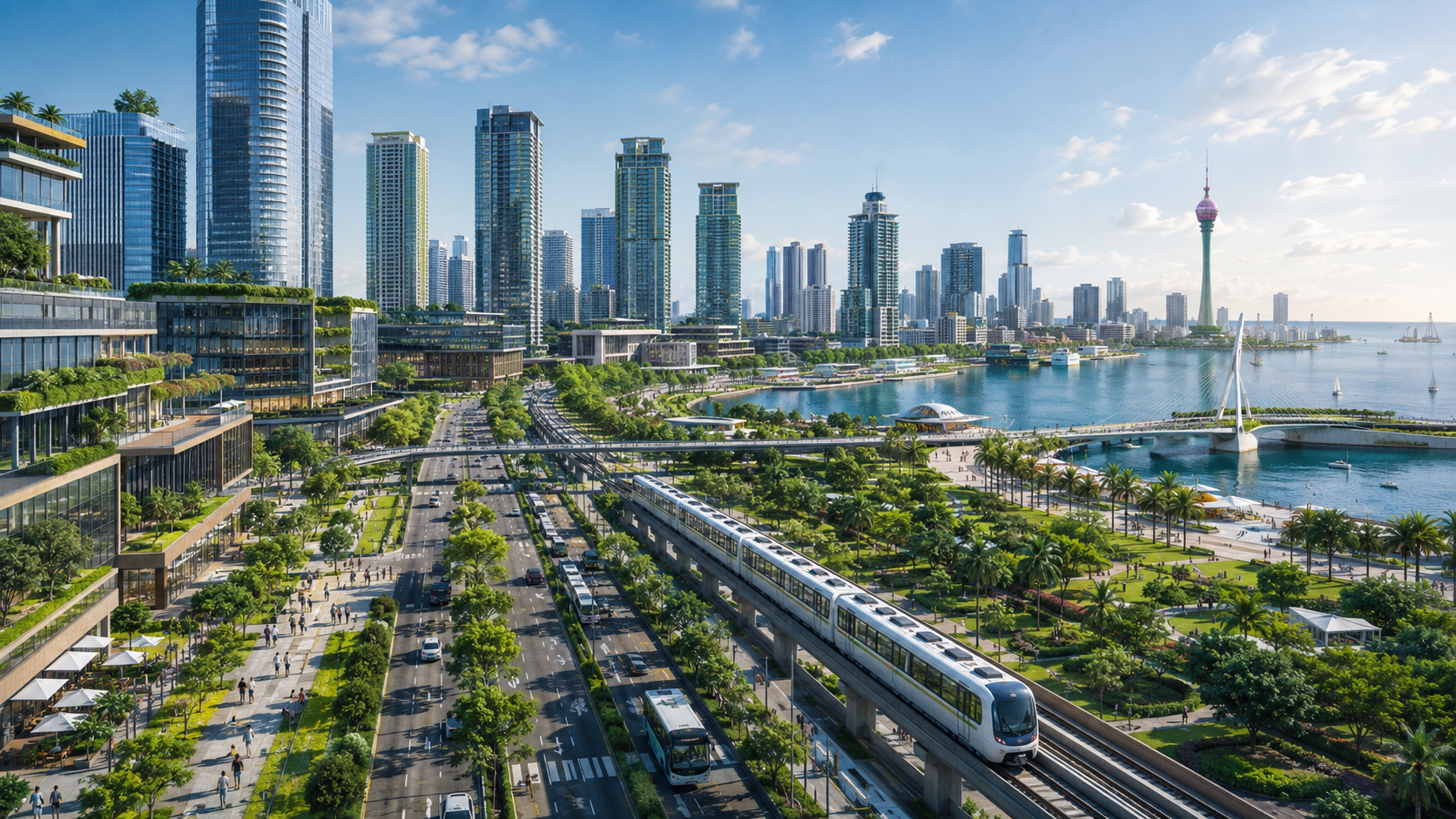
Patali Champika Ranawaka’s Colombo City Development Vision: A Plan for a Modern, Connected and Livable Capital
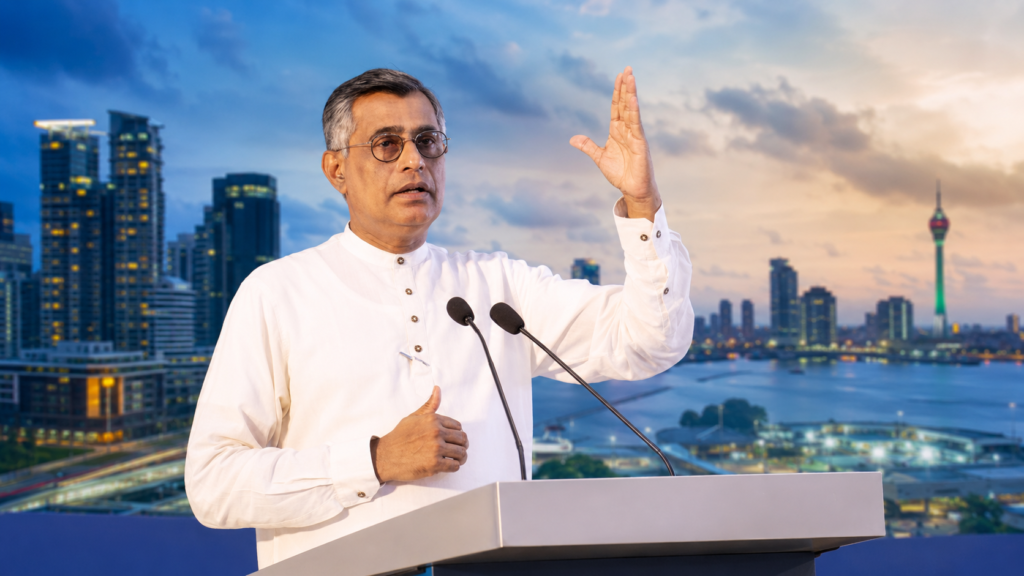
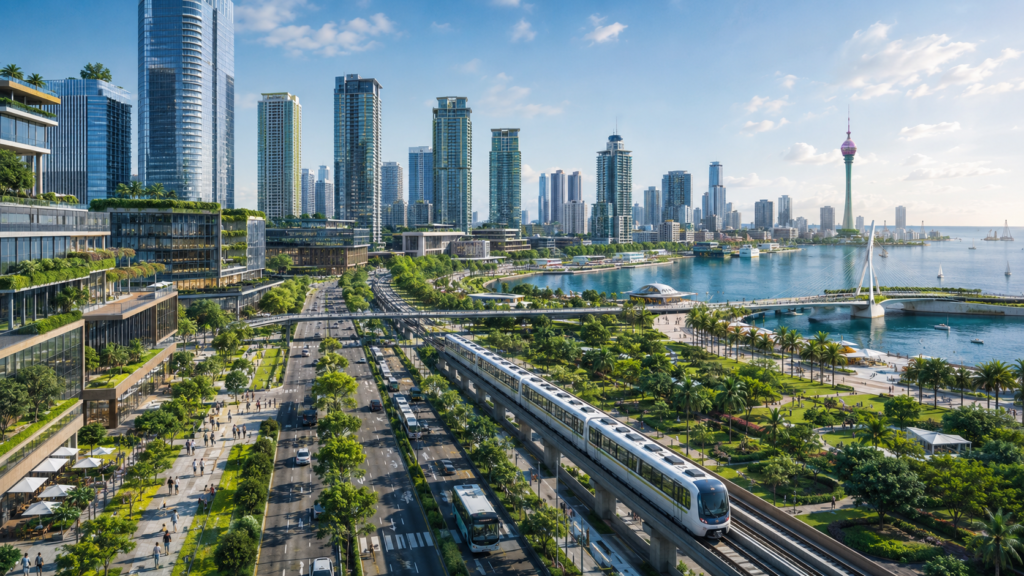
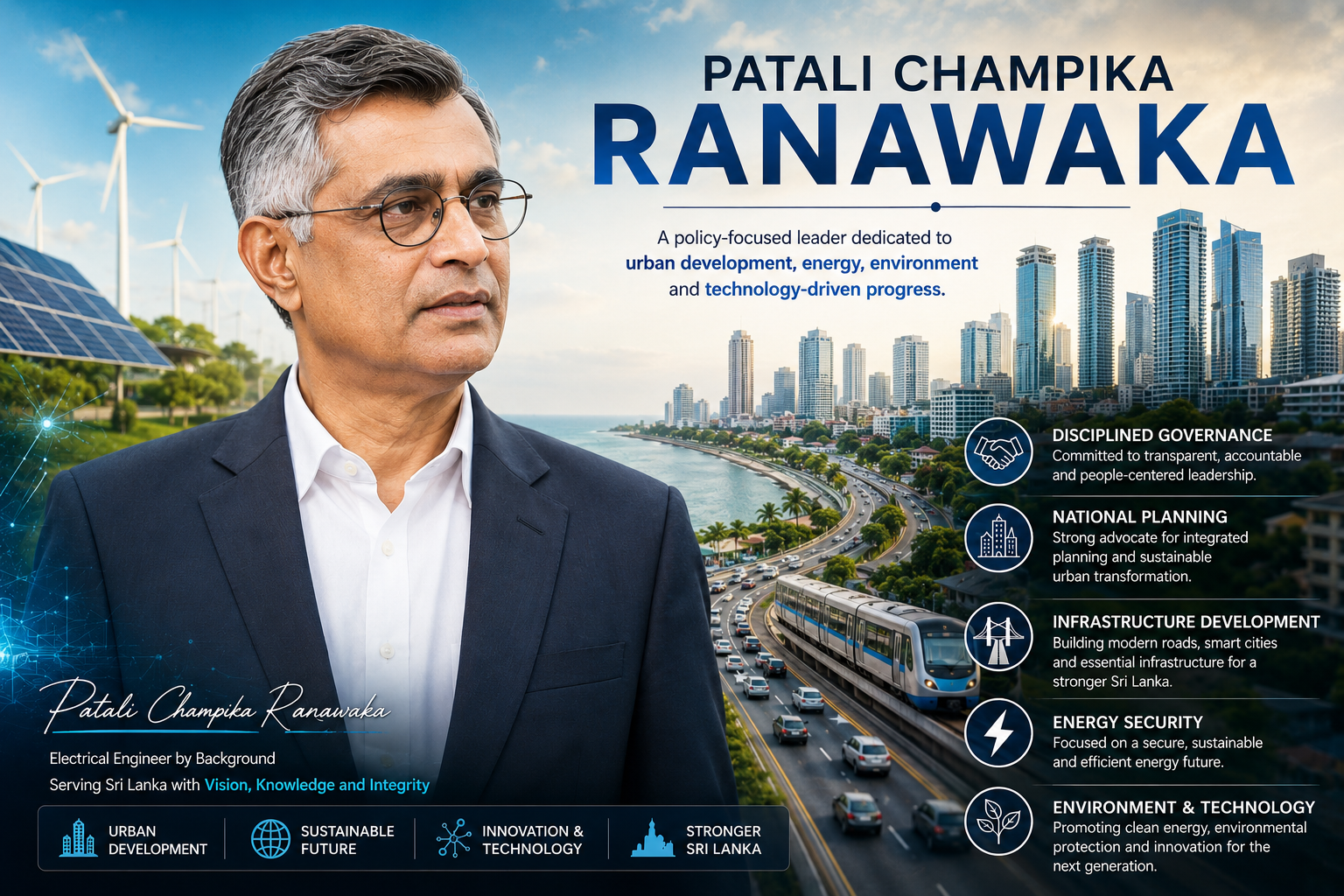
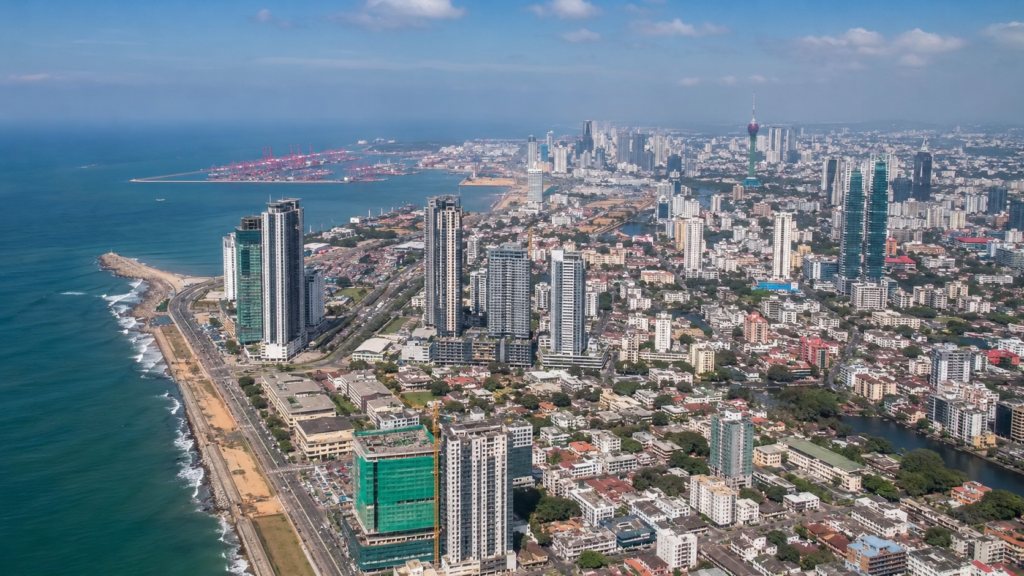
Colombo — Former Minister of Megapolis and Western Development Patali Champika Ranawaka’s city development agenda placed Colombo at the centre of Sri Lanka’s long-term urban transformation. His vision focused on turning the capital and the wider Western Region into a modern economic hub through better transport, planned housing, cleaner urban services, and stronger infrastructure.
Ranawaka’s Western Region Megapolis concept was presented as a strategy to reduce pressure on Colombo’s transport, housing, utilities, environment and public services. Speaking on the plan, he described it as a key pathway for Sri Lanka to reach developed, high-income status by 2030, while building an “economically prosperous” and “socially equitable” nation in harmony with the environment.
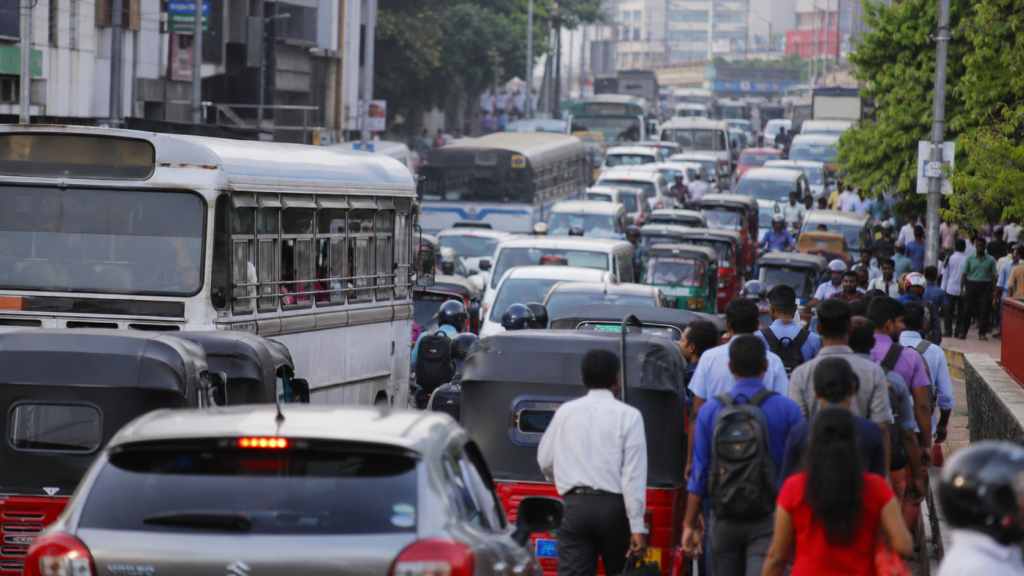
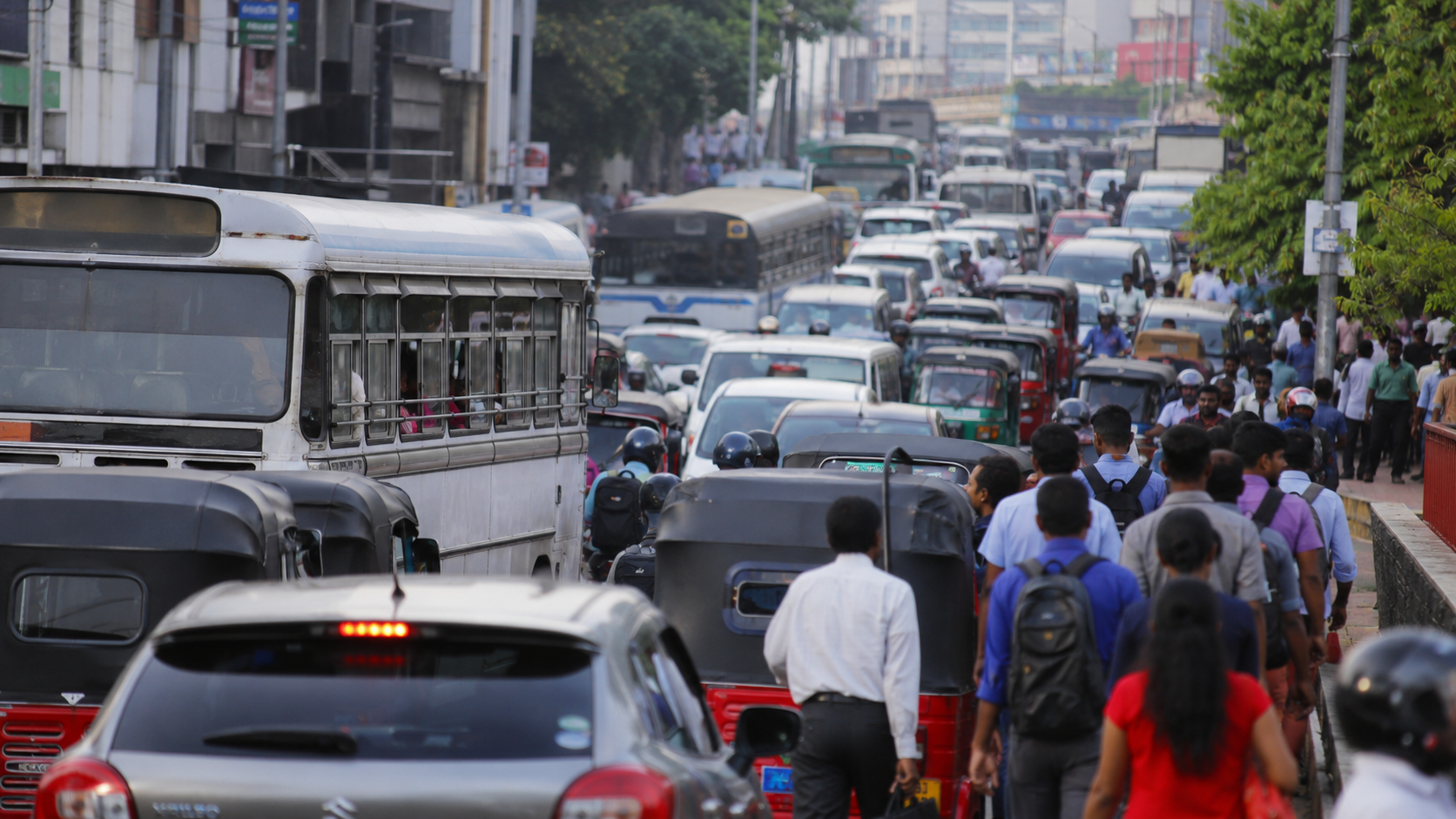
A major part of the Colombo vision was connectivity. The plan aimed to improve commuter movement, goods transport and road access, while reducing congestion in the capital. Cabinet records show that road improvement projects in Colombo, Moratuwa, Mahara and Avissawella were approved under his ministry, including around 30 kilometres of interconnected roads.
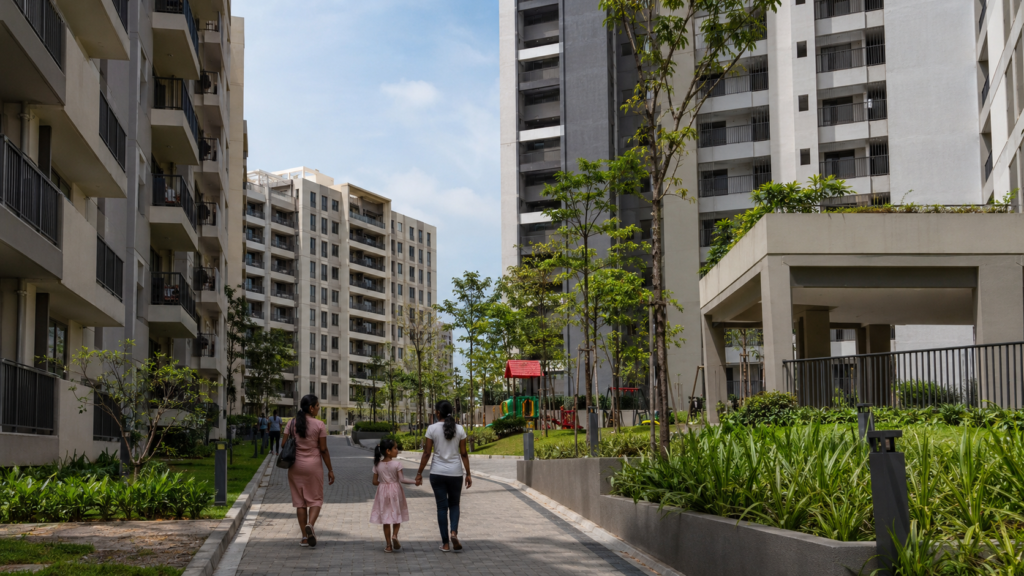
Another core area was urban housing. The Urban Regeneration Project sought to resettle residents of underserved settlements in Colombo into apartment housing with better facilities. Cabinet records also refer to supporting infrastructure such as sewer treatment facilities for apartment complexes under this programme.
Ranawaka’s development approach also positioned Colombo as a financial, maritime and service-sector centre. At an investor briefing on the Western Region Megapolis Master Plan, he identified finance, maritime transshipment, energy and commodities as key development areas, while highlighting the goal of creating a business district supported by time-guaranteed transport for commuters and goods.
The wider vision also included formal planning for Colombo’s future land use. Official urban development documents linked to the Colombo Commercial City Development Plan 2019–2030 were issued during Ranawaka’s period as Minister of Megapolis and Western Development.
Expert View
Urban development experts generally note that Colombo’s future depends not only on new buildings, but also on transport efficiency, waste management, drainage, public spaces and inclusive housing. Based on Ranawaka’s Megapolis framework, the strongest part of the plan was its attempt to look at Colombo as one connected urban system rather than as separate road, housing or commercial projects.
However, experts would also likely point out that any Colombo development plan must be judged by delivery, affordability and environmental balance. High-rise construction alone cannot make a city successful. A successful Colombo needs walkable streets, reliable public transport, clean canals, green spaces, digital services and housing that protects lower-income communities from being pushed out of the city.
Possible Impact
If fully implemented, Ranawaka’s Colombo development vision could strengthen the capital as a regional business and logistics hub. It could also reduce traffic pressure, improve urban housing and attract investment. But the long-term success of the vision depends on political continuity, transparent project management, public consultation and environmental safeguards.
For Colombo, the central question remains clear: can Sri Lanka build a capital city that is not only modern, but also livable, inclusive and sustainable?