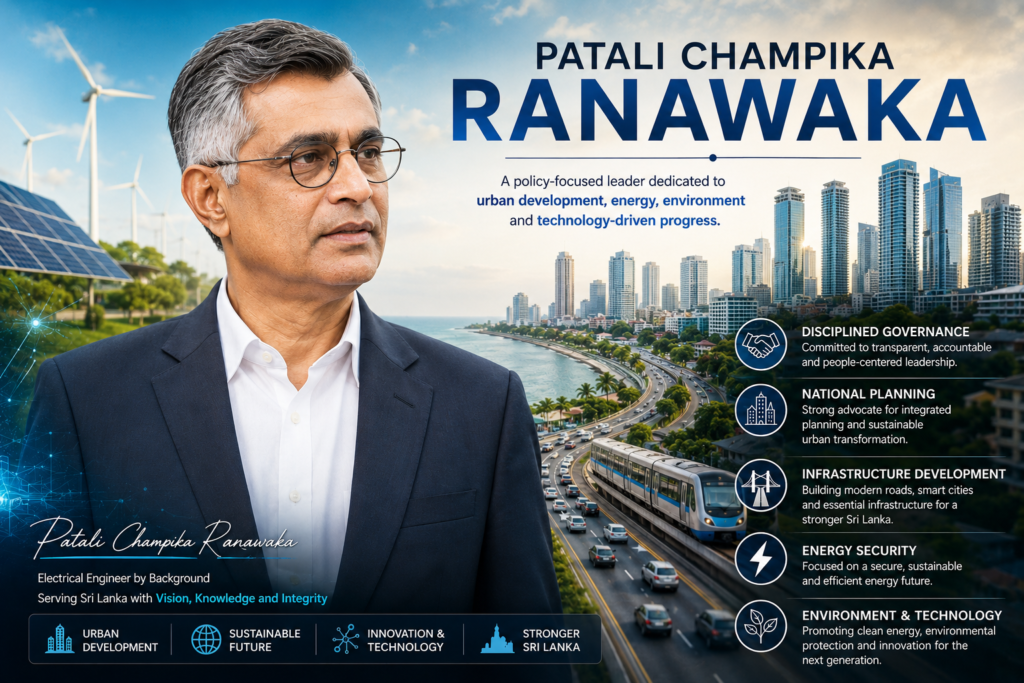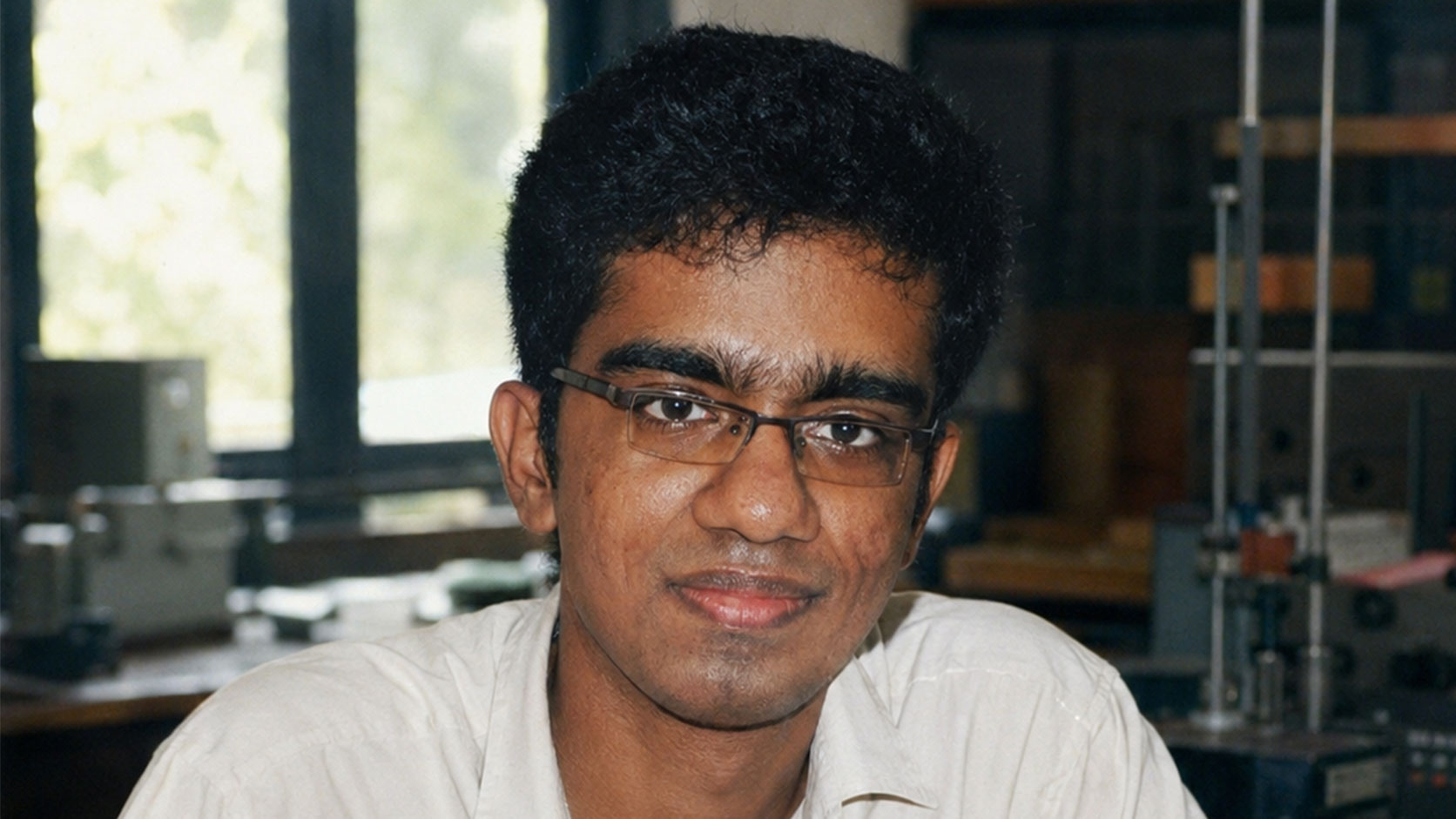

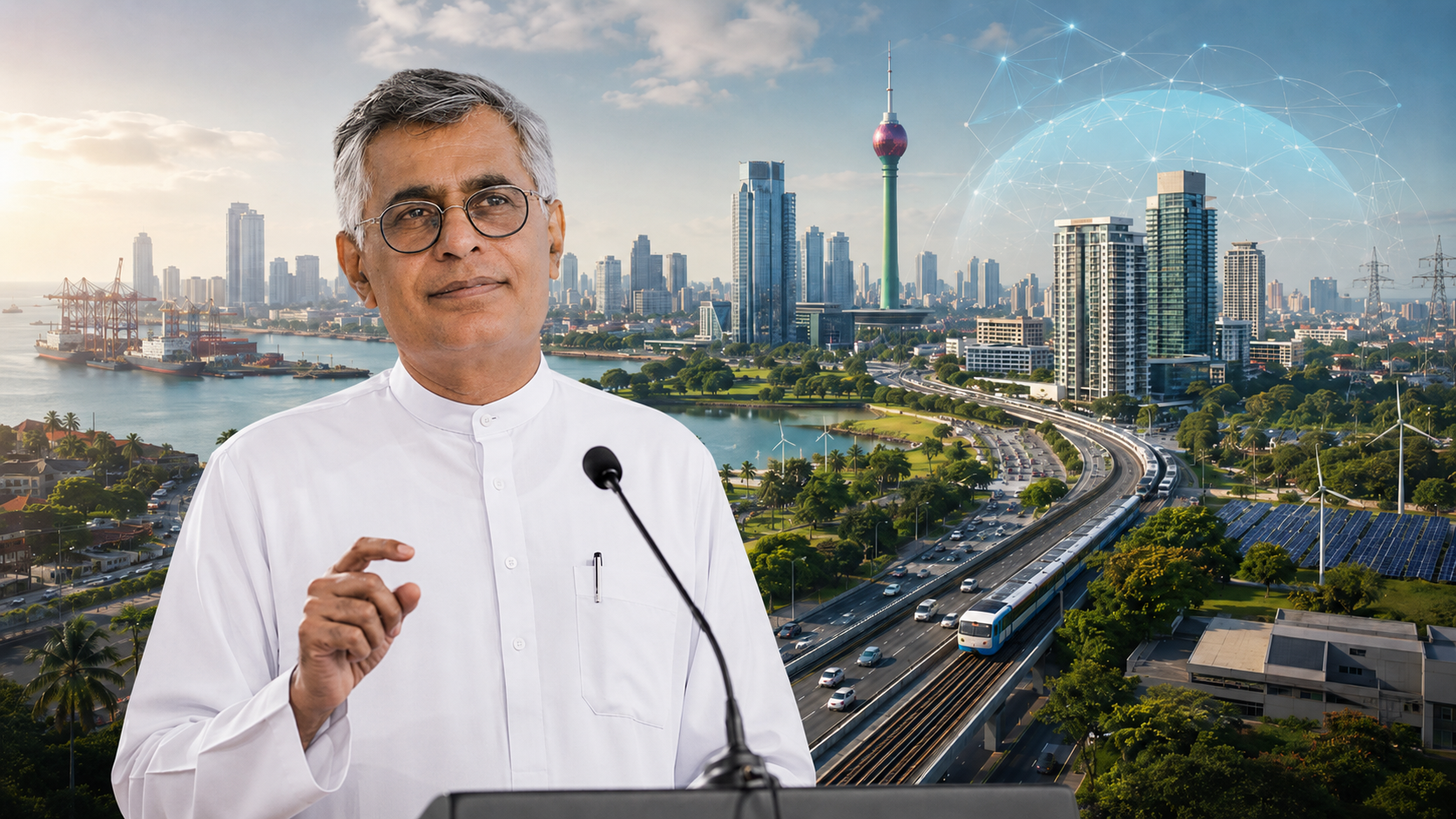
Colombo: Patali Champika Ranawaka has been one of Sri Lanka’s most policy-focused political figures, known for his work in urban development, energy, environment and technology-related ministries. An electrical engineer by background, Ranawaka entered national politics with a strong emphasis on disciplined governance, national planning and long-term infrastructure development.
According to the Parliament of Sri Lanka, Ranawaka has served as a Member of Parliament and held ministerial responsibilities connected to Megapolis and Western Development, Power and Energy, and other national policy areas. His public political profile has often been linked with development planning, state-sector reform, environmental concerns and urban transformation.
One of his most visible contributions was through the Western Region Megapolis and Colombo development agenda. Under this framework, Colombo was not viewed only as a capital city, but as the centre of a wider economic region. The vision included better transport links, urban housing, road improvement, city beautification, commercial zones and long-term land-use planning.
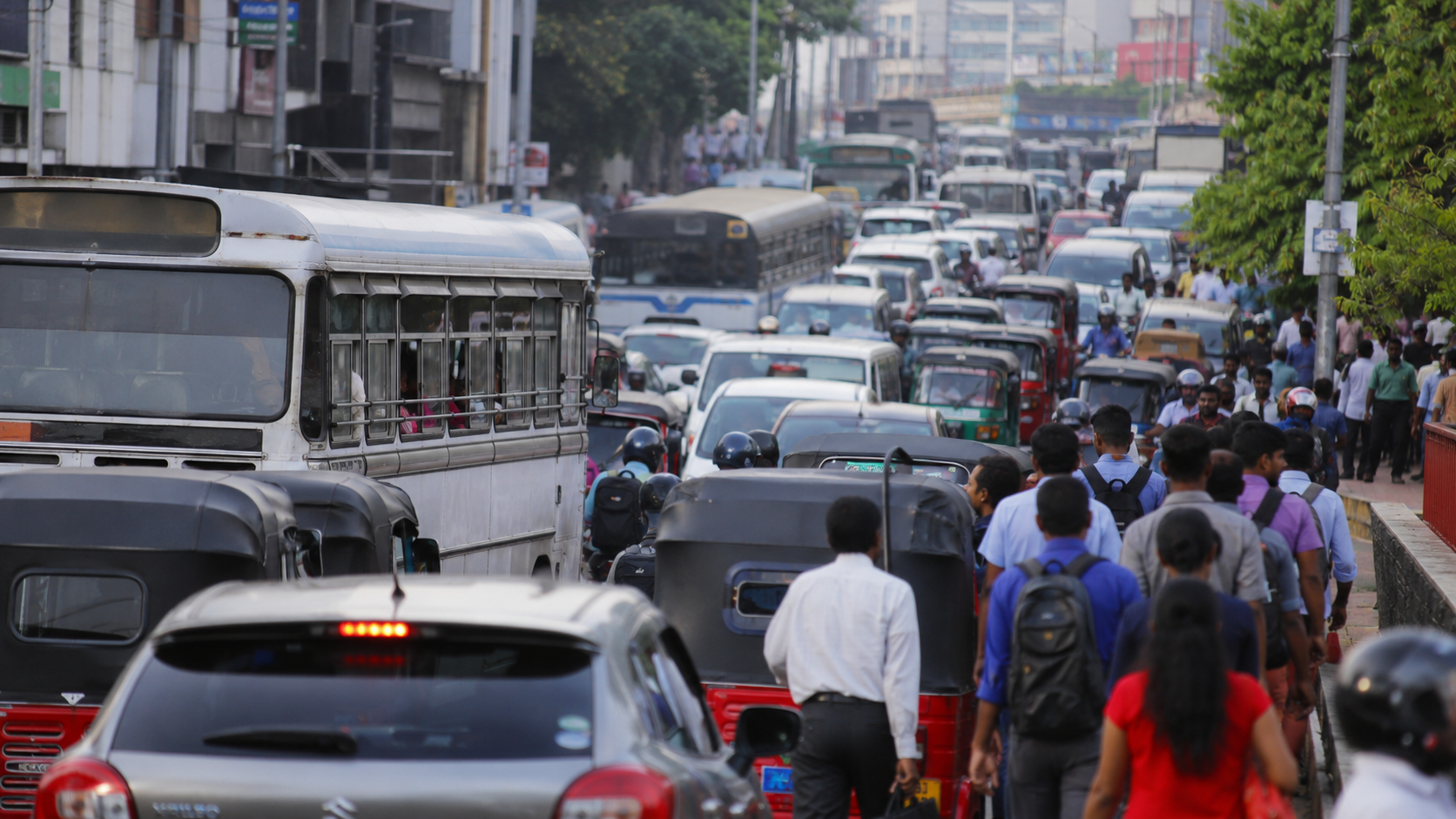
Cabinet records show that during his period as Minister of Megapolis and Western Development, projects were approved to improve around 30 kilometres of interconnected roads in Colombo, Moratuwa, Mahara and Avissawella. These road improvements were aimed at easing difficult traffic movement and improving urban connectivity.
Ranawaka’s ministry was also involved in urban regeneration and housing development. Cabinet records refer to housing projects under the Urban Regeneration Project, including apartment units at Torrington Mawatha in Colombo 07. These projects formed part of a broader attempt to provide better housing options and reorganize underserved urban settlements in Colombo.
Beyond Colombo, his development approach also included strategic cities. Cabinet records show that the Sustainable Urban Development Project identified cities such as Kandy, Galle, Jaffna, Anuradhapura, Polonnaruwa, Trincomalee, Batticaloa, Badulla, Ratnapura, Matara, Kurunegala, Nuwara Eliya and Dambulla for development under the Strategic Cities Development Programme.
Ranawaka’s service also extended to the energy sector. He previously held ministerial responsibilities connected to Power and Energy, a sector central to Sri Lanka’s economic stability. His policy image has often been connected with energy security, electricity management and long-term planning for national development.
Another important area of his public work was environment and sustainability. Ranawaka’s political career began with strong environmental activism, and his later development language often connected economic growth with environmental protection. His official platform describes his policy focus as economic recovery, clean governance, public service, technology, energy security and long-term national progress.
Expert View
Urban policy experts would likely view Ranawaka’s contribution as important because he promoted integrated planning rather than isolated projects. In Sri Lanka, roads, housing, public transport, drainage, ports, energy and land-use decisions are often handled separately. Ranawaka’s Megapolis approach attempted to connect these areas into one larger national development strategy.
However, experts would also note that successful development depends not only on planning, but also on implementation, public consultation, affordability and transparency. Large-scale urban projects must protect ordinary citizens, especially low-income communities, while also attracting investment and improving productivity.
Political and National Significance
Patali Champika Ranawaka’s service to Sri Lanka is best understood through four main themes: planning, infrastructure, energy and governance. His supporters see him as a leader with technical knowledge and a long-term national vision. Critics may question the political execution or continuity of major projects, but his influence on Colombo’s development debate remains significant.
For Sri Lanka, his career raises an important question: how can the country build a modern state that is not only economically strong, but also disciplined, environmentally responsible and socially fair?n about more than just one person. It has been about the collective will of a nation striving for progress. I encourage each and every one of you to find your voice, to engage in civic discourse, and to become agents of positive change in your own unique way. Together, we can shape a future that reflects the values we hold dear and paves the way for a more inclusive and prosperous society.